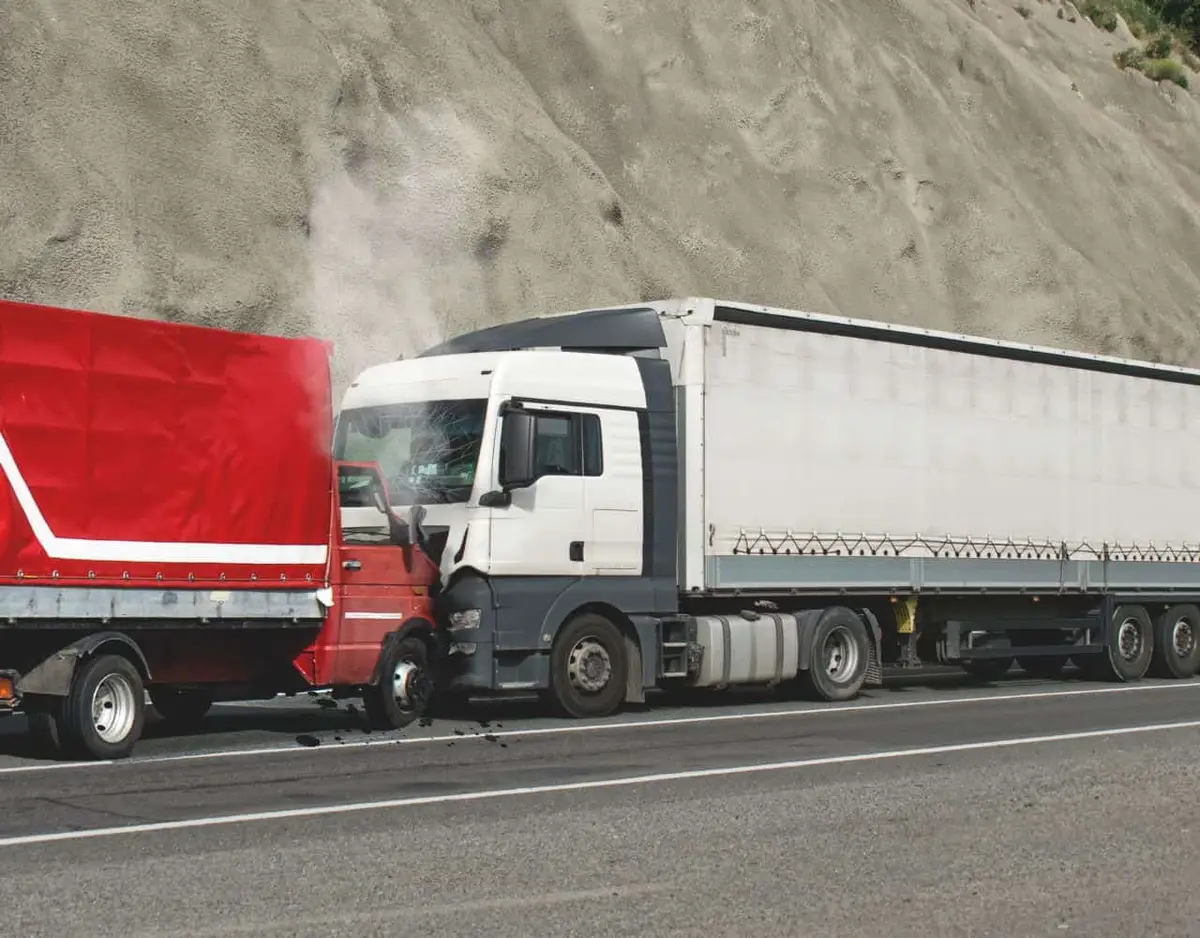
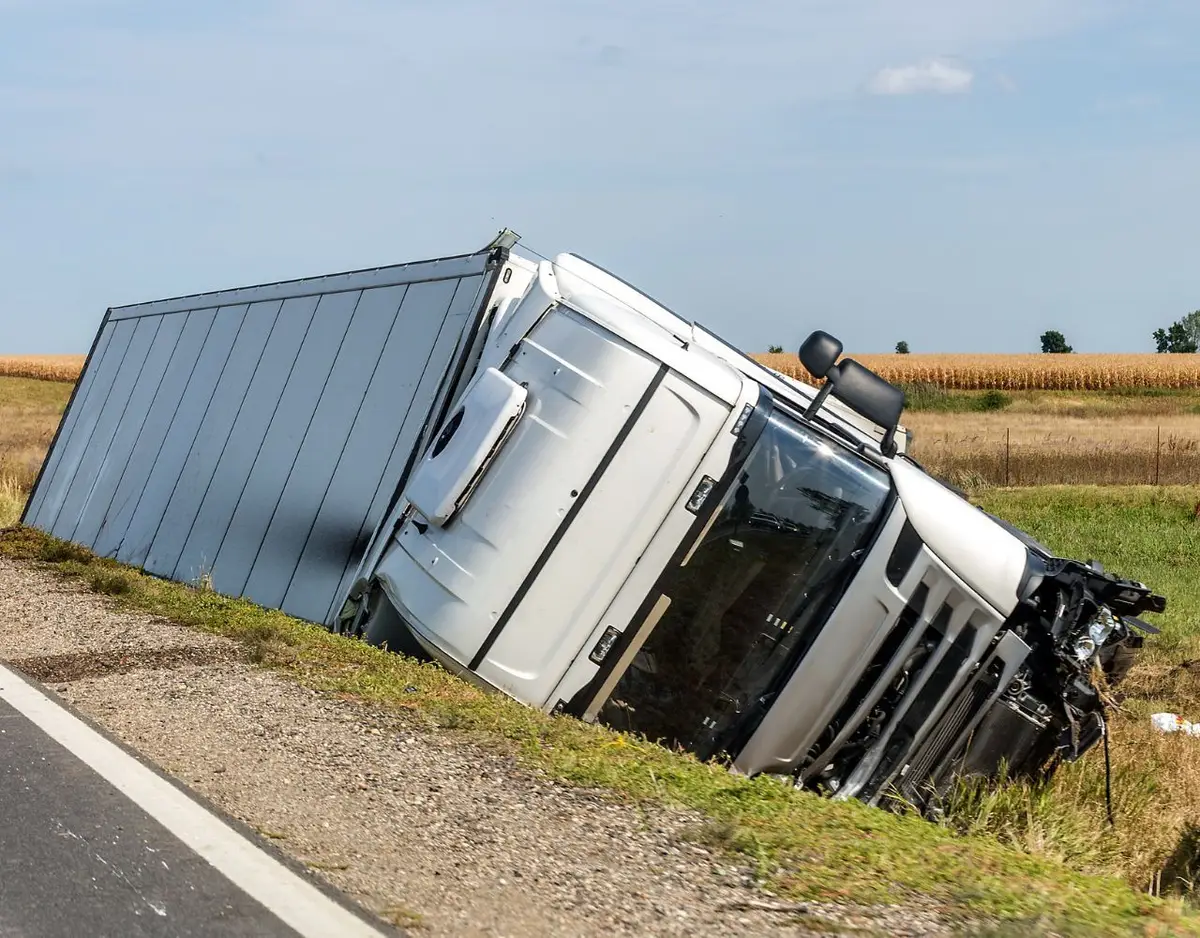
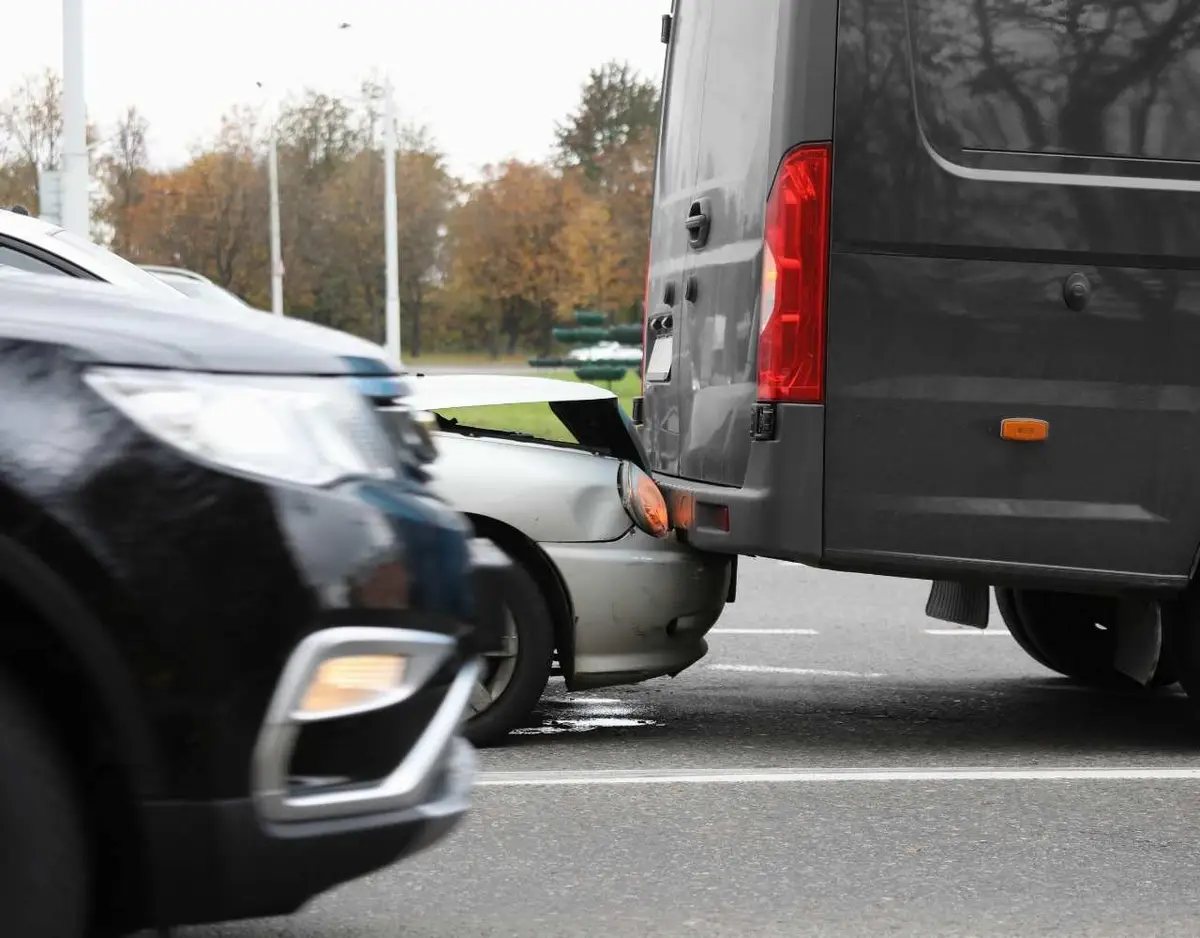
Sharing the road with semi trucks and other commercial vehicles is a normal part of life in Georgia. While most truck drivers operate safely, truck accidents can happen when drivers, trucking companies, or other parties fail to follow important safety rules. Because of their size and weight, an 18-wheeler accident can cause devastating injuries and expensive medical bills.
At Marks Law Group, we understand how overwhelming these crashes can be. If you or a loved one has been hurt, our truck accident lawyers can help investigate the accident and pursue compensation for your losses. We’re here to answer your questions and fight for the compensation you deserve. Call us today for a free consultation.
Driver Fatigue and Hours-of-Service Violations
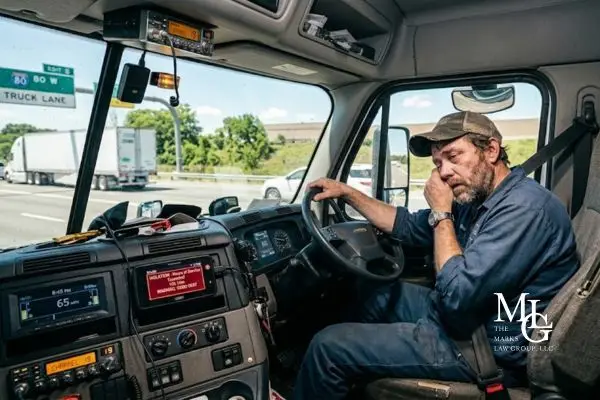
Driver fatigue is one of the leading causes of truck accidents. Long hours behind the wheel can slow reaction times and increase driver error.
Hours-of-service regulations limit how long truck drivers can drive, and digital driver logs are used to track their time. Unfortunately, Hours-of-service violations still happen.
Fatigued drivers may:
- Miss traffic signals.
- Fall asleep behind the wheel.
- React too slowly during a critical event.
- Make poor decisions that lead to crashes.
Driver Distraction and Distracted Driving
Distractions can quickly lead to serious road traffic crashes. Even looking away for a few seconds can be dangerous when operating large commercial vehicles.
Common forms of driver distraction include:
- Mobile phones.
- GPS devices.
- Communication systems.
- Eating or drinking.
- Looking at dispatch information.
Crash statistics show that distracted driving remains one of the major associated factors behind motor vehicle crashes. Investigators often work to determine the critical reason that caused the collision.
Speeding and Aggressive Driving
Semi trucks need extra time and distance to stop. When truck drivers speed or drive aggressively, the risk of severe crashes increases.
Dangerous driving behaviors include:
- Tailgating.
- Unsafe lane changes.
- Ignoring traffic signaling.
- Driving too fast for roadway conditions.
- Failing to adjust to poor weather conditions.
The Safe System Approach focuses on reducing injuries even when mistakes happen. Unfortunately, speeding often leaves little room for error.
Improper Cargo Loading and Overloaded Trailers
Cargo loading plays a major role in truck safety. Improperly secured loads or overloaded trailers can make trucks unstable and increase the risk of rollovers.
Problems may include:
- Uneven weight distribution.
- Shifting cargo.
- Failure to secure materials properly.
- Exceeding legal weight limits.
In some cases, responsibility may fall on trucking companies, cargo loaders, or other parties involved in the shipping process.
Poor Vehicle Maintenance and Mechanical Failures
Regular vehicle maintenance is critical for vehicle safety. When inspections are skipped, serious mechanical failures can occur.
Common maintenance issues include:
- Brake malfunctions.
- Tire blowouts.
- Steering problems.
- Worn suspension systems.
- Faulty maintenance practices.
Defective parts and poor vehicle design can also contribute to crashes. Vehicle maintenance standards require trucking companies to inspect and maintain their fleets regularly.
Modern vehicle safety technology, including electronic stability control, helps improve safety, but it cannot prevent every accident. When truck accidents occur, maintenance records often reveal whether faulty maintenance or defective parts played a role.
Blind Spots and Unsafe Lane Changes
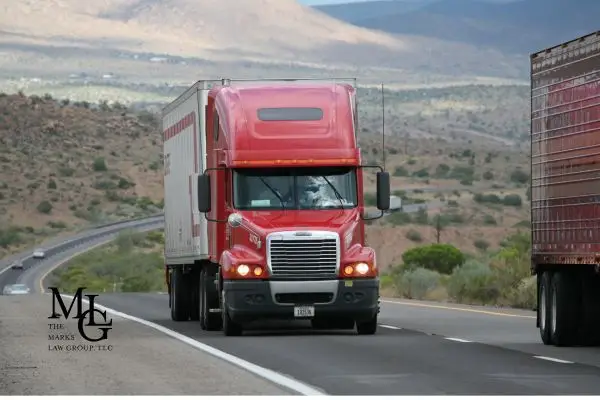
Semi trucks have large blind spots, often called “no-zones.” Drivers may not be able to see smaller vehicles beside or behind them, making unsafe lane changes especially dangerous.
Blind spot accidents often happen because of:
- Limited visibility.
- Sudden lane changes.
- Failure to check mirrors.
- Driver error.
These crashes can lead to serious injuries and major damage.
Substance Abuse and Impaired Driving
Commercial drivers are held to strict standards, but substance abuse still contributes to some truck accidents. Alcohol, illegal drugs, and even certain medications can affect a driver’s judgment and reaction time.
Impaired driving may cause drivers to:
- React slowly.
- Drift into other lanes.
- Ignore traffic signals.
- Make dangerous decisions.
Evidence gathered after a crash may help determine whether impairment played a role.
Driver Inexperience and Lack of Driver Training
Operating semi trucks requires skill and experience. Driver inexperience and poor driver training can increase the chances of mistakes behind the wheel.
Inexperienced drivers may struggle with:
- Backing and turning.
- Maintaining safe following distances.
- Driving in heavy traffic.
- Handling emergencies.
Trucking companies have a responsibility to properly train drivers and hire qualified employees.
Dangerous Weather and Road Conditions
Poor weather conditions and roadway conditions can make large trucks harder to control. Drivers should adjust their speed and driving habits when conditions change.
Hazards may include:
- Heavy rain.
- Fog and reduced visibility.
- Construction zones.
- Slippery roads.
- Poor highway condition.
Even when weather contributes to a crash, drivers and trucking companies may still be responsible if they failed to operate safely.
Pressure From Trucking Companies and Delivery Deadlines
Tight schedules can place pressure on drivers to meet deadlines. Unfortunately, this pressure sometimes leads to risky behavior.
Drivers may:
- Skip rest breaks.
- Commit Hours-of-service violations.
- Speed to reach destinations faster.
- Ignore vehicle maintenance standards.
Federal and state trucking regulations exist to protect everyone on the road. When companies place profits above safety, they may share responsibility for the crash.
Learn More: How Federal Trucking Regulations Can Impact an Accident Claim
Common Injuries Caused by Truck Accidents

Because of the size of commercial vehicles, victims often suffer severe injuries. Recovery may take months or even years.
Common injuries include:
- Traumatic brain injuries.
- Spinal cord injuries.
- Broken bones.
- Internal injuries.
- Emotional trauma.
These injuries can result in long-term medical bills, lost wages, and the need for ongoing treatment. Seeking immediate medical care and proper post-crash care can improve both your health and your personal injury claim.
Learn More: What damages can I collect for a Georgia truck accident?
What Evidence Can Help Prove the Cause of a Truck Accident?
Determining what caused a truck accident often requires a detailed investigation. Several types of evidence can help identify the critical reason behind the crash and the parties responsible.
Important evidence may include:
- The police report.
- Digital driver logs.
- Maintenance records.
- Black box data.
- Witness statements.
- Photos and videos from the scene.
Experts may also use crash reconstruction techniques to determine how the collision occurred. This evidence can help establish liability and strengthen a personal injury claim.
What Should You Do After an 18-Wheeler Accident?
The moments after an 18-wheeler accident can be overwhelming. Taking the right steps can protect both your health and your legal rights.
We generally recommend:
- Calling 911 and seeking medical attention.
- Obtaining a copy of the police report.
- Taking photos if possible.
- Following your doctor’s treatment plan and receiving proper post-crash care.
- Avoiding statements to insurance companies before speaking with an attorney.
Prompt action can make a big difference in your case.
Understanding Georgia’s Statute of Limitations
Georgia’s statute of limitations limits the amount of time you have to file a personal injury lawsuit. Waiting too long could prevent you from recovering compensation.
Because every case is different, it is important to speak with a personal injury attorney as soon as possible. Early action also helps preserve valuable evidence and allows us to begin investigating immediately.
According to O.C.G.A. § 9-3-33, most actions for injuries to the person must be brought within two years after the right of action accrues.
How a Personal Injury Attorney Can Help

Truck accident cases are often more complicated than other motor vehicle crashes. Multiple parties may be involved, including drivers, trucking companies, maintenance providers, and manufacturers.
At Marks Law Group, we can help by:
- Investigating the crash.
- Reviewing records and evidence.
- Working with crash reconstruction experts.
- Identifying all liable parties.
- Negotiating with insurance companies.
- Pursuing compensation for medical bills, lost income, and pain and suffering.
Our goal is to allow you to focus on healing while we focus on protecting your rights.
Conclusion
Truck accidents can happen for many reasons, from driver fatigue and driver distraction to mechanical failures, faulty maintenance, and unsafe cargo loading. Understanding these risk factors can help explain how a crash occurred and who may be responsible.
At Marks Law Group, we know how devastating an 18-wheeler accident can be. If you or a loved one has been injured, we are here to help. Our team can investigate the accident, deal with insurance companies, and fight for the compensation you deserve. Contact Marks Law Group today for a free consultation and let us help you move forward after a serious truck accident.
Frequently Asked Questions
What are the most common causes of eighteen-wheeler accidents?
Common causes include driver fatigue, distracted driving, speeding, improper cargo loading, mechanical failures, and poor weather conditions.
Can trucking companies be held responsible for a truck accident?
Yes. Trucking companies may be liable if they failed to maintain their trucks, properly train drivers, or follow safety regulations.
How is fault determined in a truck accident?
Investigators may review driver logs, black box data, maintenance records, witness statements, and crash reconstruction evidence.
Why are truck accident cases more complicated than car accident cases?
Truck accident claims often involve multiple parties and are governed by federal and state trucking regulations.