An uninsured driver accident in Georgia can leave injured victims facing serious financial and legal challenges. Although Georgia law requires all drivers to carry vehicle insurance, many still operate without coverage. According to the Insurance Research Council, the rate of uninsured drivers in Georgia remains close to the national average. That means responsible Georgia drivers, pedestrians, and property owners remain at risk every day.
When the at-fault driver has no insurance, victims are often left dealing with medical bills, lost wages, and vehicle repairs without clear answers about how those losses will be paid. These financial burdens can grow quickly, especially when injuries require ongoing treatment. Understanding how your auto insurance policy applies in these situations and how a Georgia car accident lawyer can help evaluate your options is essential.
What Happens After an Uninsured Driver Accident in Georgia?
After any crash, safety comes first. Contact emergency services and law enforcement so injuries can be treated, and an official police report and accident report can be created. These records are critical when filing an uninsured motorist claim.
Victims of uninsured driver accidents often face:
- Emergency and follow-up medical expenses
- Vehicle damage and repair costs
- Lost wages or reduced earning capacity
- Pain and suffering
Certain crashes, such as high-speed T-bone accidents or hit-and-run accidents, can cause traumatic brain injuries, spinal trauma, or injuries requiring neck surgery. Serious injuries may lead to long-term rehabilitation or permanent disability, significantly increasing bodily injury-related expenses.
Under normal circumstances, the at-fault party’s insurance company would cover these losses. When the driver has no coverage, recovery usually depends on your own uninsured motorist coverage.

Georgia Car Insurance Laws and Liability Rules
Georgia follows a fault-based type of liability system. The driver who caused the accident is legally responsible for the damages.
Under Georgia’s minimum liability limits and mandatory minimums, drivers must carry:
- Bodily injury liability insurance
- Property damage liability insurance
These required insurance minimums are intended to protect accident victims. However, when a driver ignores Georgia law and carries no insurance, those protections disappear.
Georgia drivers must also maintain active vehicle insurance to keep vehicle registration valid. Driving without insurance can result in license suspension, fines, reinstatement fees, and increased insurance premiums. Oversight by the insurance department and insurance commissioner has not eliminated uninsured driving, particularly among high-risk drivers facing rising premium quotations and economic pressures.
The Role of Liability Insurance and Auto Insurance Coverage
When an at-fault driver is insured, compensation generally comes from their liability insurance policy. That policy covers:
- Bodily injury coverage
- Property damage coverage
If the at-fault driver is uninsured, your own auto insurance policy becomes the primary source of recovery.
Typical add-on coverages may include:
- Uninsured motorists coverage and UM/UIM coverage
- Underinsured coverage
- Uninsured Motorist Property Damage
- Underinsured motorist property damage
- Collision coverage
- Comprehensive coverage
- Medical Payment coverage
Policy limits and liability limits determine how much compensation is available. If bodily injury-related expenses exceed coverage limits, options can become limited quickly. Many drivers are unaware of insurance gaps in their policies until they are involved in an accident.
What Is Uninsured and Underinsured Motorist Coverage?
Uninsured motorist (UM) and underinsured motorist (UIM) coverage applies when the at-fault driver has no insurance, insufficient insurance, or flees the scene in a hit-and-run accident.
Georgia law requires insurance companies to offer uninsured motorists coverage, but drivers may reject it in writing. Some decline it to reduce insurance premiums without realizing the potential risk.
UM/UIM coverage may help pay for:
- Medical coverage and medical expense payments
- Lost wages
- Pain and suffering
- Certain property damage losses
Some policies provide add-on coverage, allowing recovery in addition to other available insurance. Others provide reduced coverage, which pays only the difference between damages and available insurance. Understanding how your coverage works before accepting a settlement is critical.
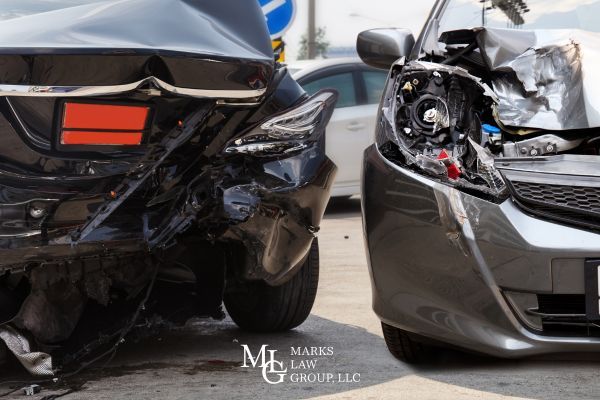
Dealing With Insurance Companies After an Uninsured Crash
After an uninsured driver accident, you will usually deal with your own insurance provider rather than the at-fault party’s insurance company. Even though you are making a claim under your own policy, the insurance claims adjuster will still evaluate liability, medical treatment, and damages.
Insurance companies may question the extent of injuries, dispute repair estimates, or limit payouts based on policy language. Reviewing your coverage limits and policy terms carefully can help prevent undervaluation of the claim.
Proving Fault and Building a Strong Claim
Even when the other driver is uninsured, fault must still be established under Georgia law. You must show that the uninsured driver acted negligently or engaged in dangerous activity.
Helpful evidence may include:
- Police report and accident report
- Witness statements
- Traffic camera footage
- Vehicle damage analysis
- Professional accident reconstruction
Reconstruction of the accident can be especially important in serious or complex crashes.
What If You Hit an Uninsured Driver in Georgia?
You are still required to stop, exchange information, and report the accident. Failing to do so can result in penalties.
Uninsured drivers may face license suspension and fines. However, they may still attempt to pursue claims if they believe you were at fault. If liability cannot be resolved through negotiation, the dispute could result in a civil judgment.
Compensation Available After an Uninsured Driver Accident
Compensation after an uninsured driver accident in Georgia depends on the severity of the injuries, available insurance coverage, and how the crash affects the victim’s life. Even in standard auto accidents, costs can add up quickly. When the at-fault driver has no insurance, the financial pressure often increases.
Recoverable damages may include:
- Past and future medical expenses
- Lost wages and reduced earning capacity
- Long-term medical and rehabilitative services
- Pain and suffering and emotional distress
- Property damage and vehicle repair costs
Serious crashes can result in traumatic brain injuries, spinal trauma, or injuries requiring neck surgery. In severe cases, victims may face permanent disability or reduced earning capacity. These situations significantly increase bodily injury-related expenses and long-term financial burdens.
Compensation is typically limited by the policy limits and coverage limits in your auto insurance policy. If damages exceed those limits, recovery options may narrow. In some cases, victims may consider pursuing a civil judgment against the uninsured driver personally, though collection can be difficult if the driver lacks assets.
Underinsured coverage, add-on coverage, or Uninsured Motorist Property Damage provisions may provide additional financial protection, depending on the structure of the policy.

Time Limits and the Statute of Limitations in Georgia
Georgia law imposes strict deadlines on accident claims. In most cases, the statute of limitations for filing a personal injury lawsuit is two years from the date of the accident.
Missing this filing deadline generally means losing the right to pursue compensation, regardless of the seriousness of the injuries. In addition to the statute of limitations, uninsured motorist claims must comply with notice requirements in your auto insurance policy. Failing to notify your insurance provider within the required timeframes can affect coverage.
Because insurance law includes both statutory deadlines and policy-specific conditions, early review of your case can help avoid preventable mistakes.
Why Uninsured Driver Accidents Are So Common in Georgia
Uninsured driving remains a persistent issue throughout Georgia. According to the Insurance Research Council, uninsured rates remain near the national average despite enforcement efforts.
Several factors contribute to this problem. Rising insurance premiums and economic pressures, including unemployment rates, can make coverage difficult for some drivers to maintain. Others are classified as high-risk drivers, resulting in higher premium quotations through insurance providers.
Insurance gaps may occur when drivers allow policies to lapse or fail to meet Georgia’s required insurance minimums and mandatory minimums. While oversight from the insurance department and insurance commissioner continues, uninsured driver accidents remain a risk for responsible motorists.
Why Legal Guidance Matters in Uninsured Driver Cases
Uninsured driver claims often involve more complexity than standard accident cases. Even when making a claim under your own policy, insurance companies may review the claim closely and challenge elements of damages.
An insurance claims adjuster may question the extent of injuries, dispute medical treatment, or argue that certain expenses exceed policy limits. Coverage disputes involving underinsured motorist property damage or add-on coverage can also arise.
An experienced uninsured motorist accident attorney can:
- Review available insurance coverage
- Evaluate policy limits and liability limits
- Preserve evidence and coordinate accident reconstruction
- Address disputes with the insurance provider
- Ensure deadlines under Georgia law are met
Legal representation can help reduce uncertainty during what are often stressful experiences and provide structured guidance through the claims process.

Speak With an Atlanta Uninsured Motorist Accident Lawyer
If you were injured in an accident with an uninsured driver in Georgia, legal options may still be available. Marks Law Group assists accident victims with uninsured motorist claims, coverage disputes, and serious injury cases.
The firm works to recover compensation for medical bills, medical expenses, lost wages, reduced earning capacity, property damage, and pain and suffering. Each case is evaluated carefully to identify available insurance coverage and protect the client’s financial interests.
To schedule a free consultation, contact Marks Law Group at (678) 251-9309 or complete the online contact form to discuss your case.
Frequently Asked Questions
What happens if someone hits you without insurance in Georgia?
If someone hits you without insurance in Georgia, you may still recover compensation through your uninsured motorist coverage. This coverage can help pay for medical bills, lost wages, pain and suffering, and certain motorist property damage coverage under your policy. In serious cases involving long-term injuries or permanent impairment, compensation may also address motorist bodily injury losses and future financial needs, including reduced earning capacity or even eligibility for a disability pension.
You must still prove the responsible driver caused the crash. Police reports, witness statements, and medical records are critical when filing a claim.
What happens if I have an accident with an uninsured driver?
After an accident with an uninsured driver, contact law enforcement, seek medical care, and notify your insurance company immediately. Your insurer may open an uninsured motorist claim and assign an adjuster to review the accident.
Even though you are dealing with your own insurance provider, disputes can arise over coverage limits or how injuries are valued. A personal injury attorney can look closely at your policy, identify available motorist bodily protections, and explore creative solutions if the insurance company challenges the claim. These crashes often catch victims off guard, especially when the at-fault party’s insurance company does not exist or cannot provide coverage.
Can an uninsured driver make a claim against me?
Yes. An uninsured driver can still attempt to make a claim if they believe you were the responsible driver. Their lack of insurance does not automatically prevent them from pursuing compensation.
If you carry uninsured or underinsured coverage, your insurance company may defend the claim and evaluate liability. However, if the fault is disputed, the matter could escalate beyond negotiation. In those situations, having guidance from an experienced law firm can help protect your financial interests and ensure the facts are presented clearly.
What’s the penalty for driving without insurance in Georgia?
Driving without insurance in Georgia can result in license suspension, fines, reinstatement fees, and difficulty renewing vehicle registration. Repeat violations may lead to higher insurance premiums and long-term complications when obtaining coverage.
These penalties are intended to discourage uninsured driving, but they do not prevent accidents from occurring. For injured victims, working with a law firm that takes a personal touch and offers practical options, including clear fee structures and, in some cases, a flexible payment plan, can help reduce uncertainty during an already stressful time.
