Picture this: It’s a perfect Saturday afternoon, the sun is shining, and your family is spending the day at your local community swimming pool. The kids are laughing, splashing, and having the time of their lives. But in a single moment, everything changes: a slip on wet concrete, a defective drain cover, or a lifeguard distracted by their phone turns your perfect day into a nightmare.
Swimming pool accidents happen far more often than most people realize, and the consequences can be devastating. Every year, thousands of people suffer serious injuries or even drowning accidents in public and private pools across the country. These incidents often involve negligent supervision, faulty pool equipment, or unsafe premises that could have been prevented with proper care.
When you or someone you love is injured, an experienced swimming pool accident lawyer at Marks Law Group can help you uncover what went wrong, identify all negligent parties, and fight for the compensation you deserve under personal injury and premises liability law.
Don’t wait to get help. Reach out to a qualified pool accident attorney today at (678) 251-9309 to protect your rights and start building your case before crucial evidence disappears.
Understanding Swimming Pool Accidents: More Common Than You Think
Pools might seem like fun, harmless places, but behind the laughter and splashing, they’re full of hidden risks. According to the Centers for Disease Control and Prevention (CDC), over 300,000 pool-related injuries are treated in emergency rooms each year. That’s nearly a thousand people hurt every single day.
These aren’t just minor cuts or bruises. Many victims suffer brain injuries, spinal cord injuries, head trauma, and even permanent disabilities that change their lives forever.
The Most Common Types of Pool Accidents
- Drowning and near-drowning injuries – Drowning is the leading cause of death for children between 1 and 4 years old, and the second leading cause for children up to 14. For every drowning death, roughly ten more children are hospitalized with severe injuries such as traumatic brain injuries, learning disabilities, or memory problems caused by oxygen loss.
- Slip and fall injuries – Slippery pool decks, diving boards, and steps are a recipe for disaster. Wet concrete, spilled chemicals, or lack of safety equipment can lead to broken bones, spinal cord damage, or even fatal head injuries.
- Defective equipment and mechanical failures – Broken pool ladders, drain covers, and filters can lead to suction entrapment, electrocution, or serious lacerations. Some swimming pool products malfunction due to poor design, leading to product liability lawsuits against equipment manufacturers.
- Chemical and water contamination – Improperly balanced chemicals or contaminated water can cause rashes, burns, and respiratory illness. This often stems from pool operator negligence or failure to perform regular maintenance.
- Negligent lifeguard supervision – In many public swimming facilities, a lack of trained staff, poor lifeguard training, or distracted supervision directly contributes to drowning or near-drowning incidents.
Who Can Be Held Responsible for Pool Accidents?
Determining liability in a pool accident can be tricky. Multiple people or companies may share blame, and each case is different. Common negligent parties include:
- Property owners: Whether it’s a private pool, apartment complex, or water park, property owners must follow local premises liability laws. They’re responsible for ensuring fencing and barriers, functioning pool gates, and other safety precautions are in place.
- Public entities: Cities or municipalities that run public pools, municipal parks, or public schools must ensure pools are properly maintained and supervised.
- Pool maintenance companies: If maintenance crews ignore broken parts, fail to monitor water levels, or skip routine checks, they can be held accountable for resulting injuries.
- Manufacturers and installers: Defective drain covers, pool ladder defects, or pool filter defects may lead to a product liability lawsuit. In these cases, manufacturers and installers could be held strictly liable for product malfunction or design flaws.
- Employers and lifeguards: When lifeguard and staff negligence contribute to an injury, both the lifeguard and their employer may share liability.
In some cases, multiple parties are involved, for example, the city owns the pool, a private company manages it, and a manufacturer supplied faulty pool equipment. This is where having an experienced pool accident injury lawyer makes all the difference.
Water safety isn’t just about knowing how to swim; it’s about being prepared, alert, and responsible around any body of water.
What a Swimming Pool Accident Lawyer Does
A swimming pool accident lawyer is not just a general personal injury attorney. They’re familiar with premises liability law, pool safety codes, and the complex regulations that apply to public and private swimming facilities.
Here’s what they do:
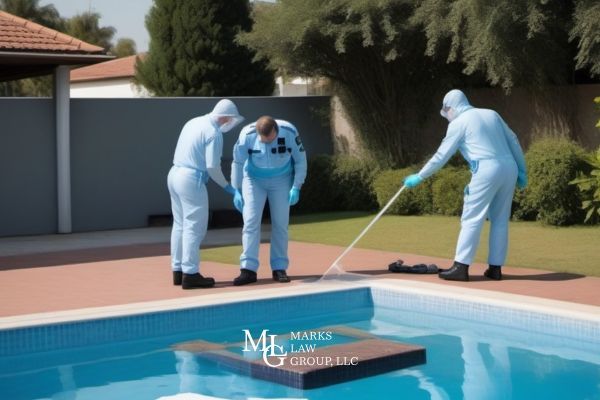
- Investigate the scene:
Your lawyer will visit the site, take photos, gather witness statements, and preserve crucial evidence before it disappears. Pool conditions change fast, slippery surfaces dry, water gets cleaned, and equipment is repaired so quick action is key. - Handle insurance companies:
Insurance companies often try to minimize payouts or deny liability. A lawyer will deal directly with them to protect you from being taken advantage of. - Calculate the full value of your claim:
A pool accident can leave victims with overwhelming medical costs, rehabilitation expenses, and even long-term disabilities. Your lawyer will assess not just your current bills, but also lost wages, pain and suffering, and future care needs. - Meet legal deadlines:
Every state has a statute of limitations that limits how long you have to file a claim. Missing it can bar you from seeking compensation entirely. Your attorney ensures all filings, including police reports and legal documents, are submitted correctly and on time. - Pursue justice in civil court:
Whether through negotiation or litigation, your lawyer’s job is to hold negligent parties accountable and secure fair compensation for your losses.
When You Should Call a Swimming Pool Accident Lawyer
You should contact an attorney right away if:
- Someone suffered serious or permanent injuries such as spinal cord injuries, head trauma, or traumatic brain injuries.
- The insurance company denies liability or offers a quick, low settlement.
- The pool owner or manager refuses to cooperate or blames you for the accident.
- You suspect defective pool equipment or product malfunction played a role.
- The accident resulted in a wrongful death lawsuit for a loved one.
Never sign a liability waiver or accept any settlement offer without speaking to a lawyer first. Once you accept a payment, you may lose your right to pursue further compensation even if your injuries worsen later.
Moving Forward After a Pool Accident
A swimming pool accident can affect every part of your life. Beyond the physical injuries, victims and their families often struggle with emotional trauma, anxiety, and even fear of water. Some survivors face long-term disabilities or enter a vegetative state, requiring ongoing care.
An experienced attorney can guide you through the legal process, helping you recover financially and emotionally. These cases aren’t just about money; they’re about holding negligent parties accountable and preventing similar tragedies from happening again.
Take the First Step Toward Justice
Whether your accident happened at a public pool, a hotel hot tub, or a private backyard pool, you have legal rights. A swimming pool accident lawyer can help you pursue justice through a premises liability lawsuit or product liability claim, ensuring those responsible are held accountable.
If you or a loved one has been injured, don’t wait. Contact a qualified personal injury lawyer today. Most offer free consultations and won’t charge unless they win your case.
Don’t let negligence steal your peace of mind. Take control, get help, and protect your family’s future.Contact Marks Law Group Today.
FAQs
What should I do immediately after a swimming pool accident?
After ensuring everyone’s safety, seek medical attention right away, even for injuries that seem minor. Then, report the incident to the property owner or manager, take photos of the scene, and gather witness contact information. Finally, contact a swimming pool accident lawyer to protect your legal rights.
Who can be held responsible for a swimming pool accident?
Liability can fall on several parties, including property owners, lifeguards, maintenance companies, equipment manufacturers, or even municipalities that run public pools. An experienced attorney can investigate and determine who was negligent.
What types of compensation can I recover after a pool injury?
You may be entitled to compensation for medical bills, rehabilitation costs, lost wages, pain and suffering, emotional distress, and, in severe cases, long-term care or disability accommodations.
