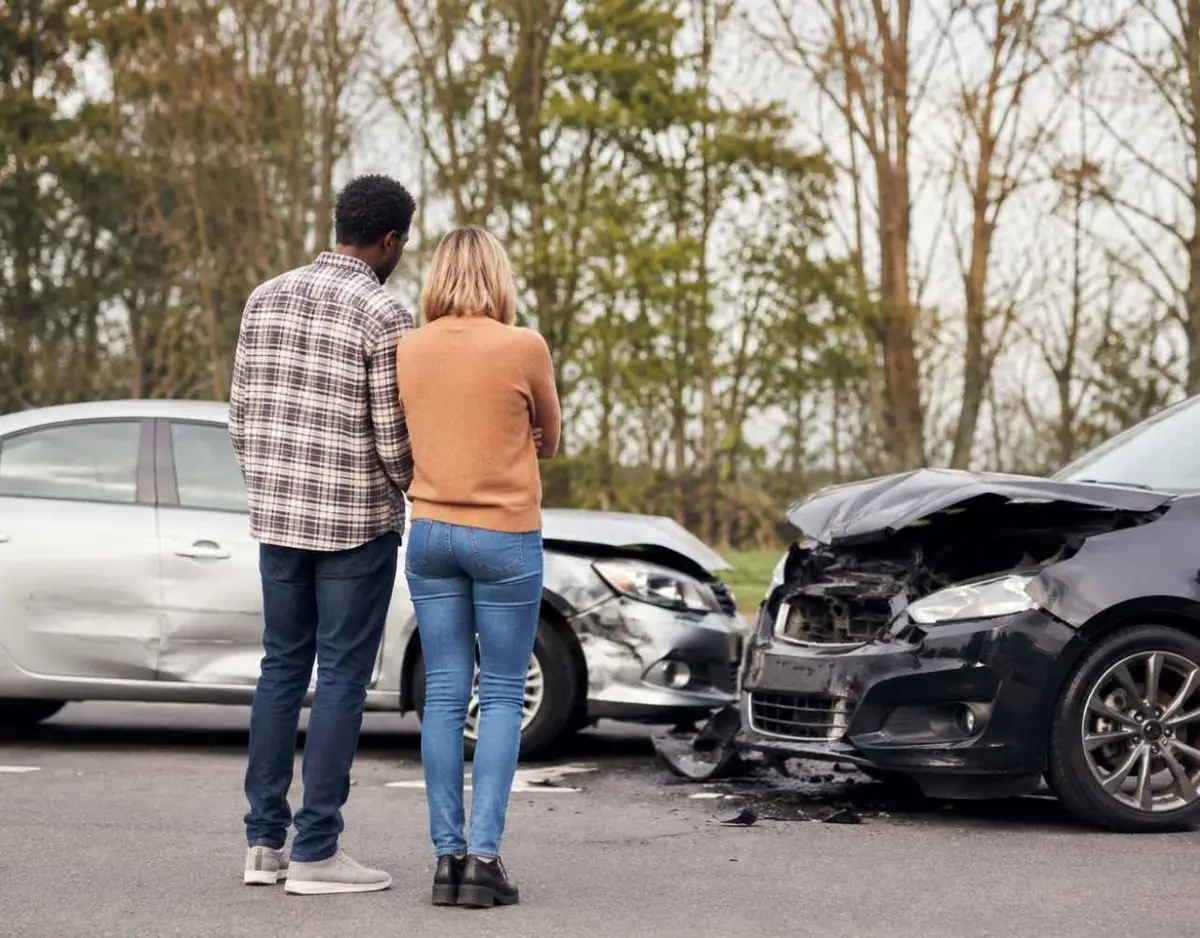
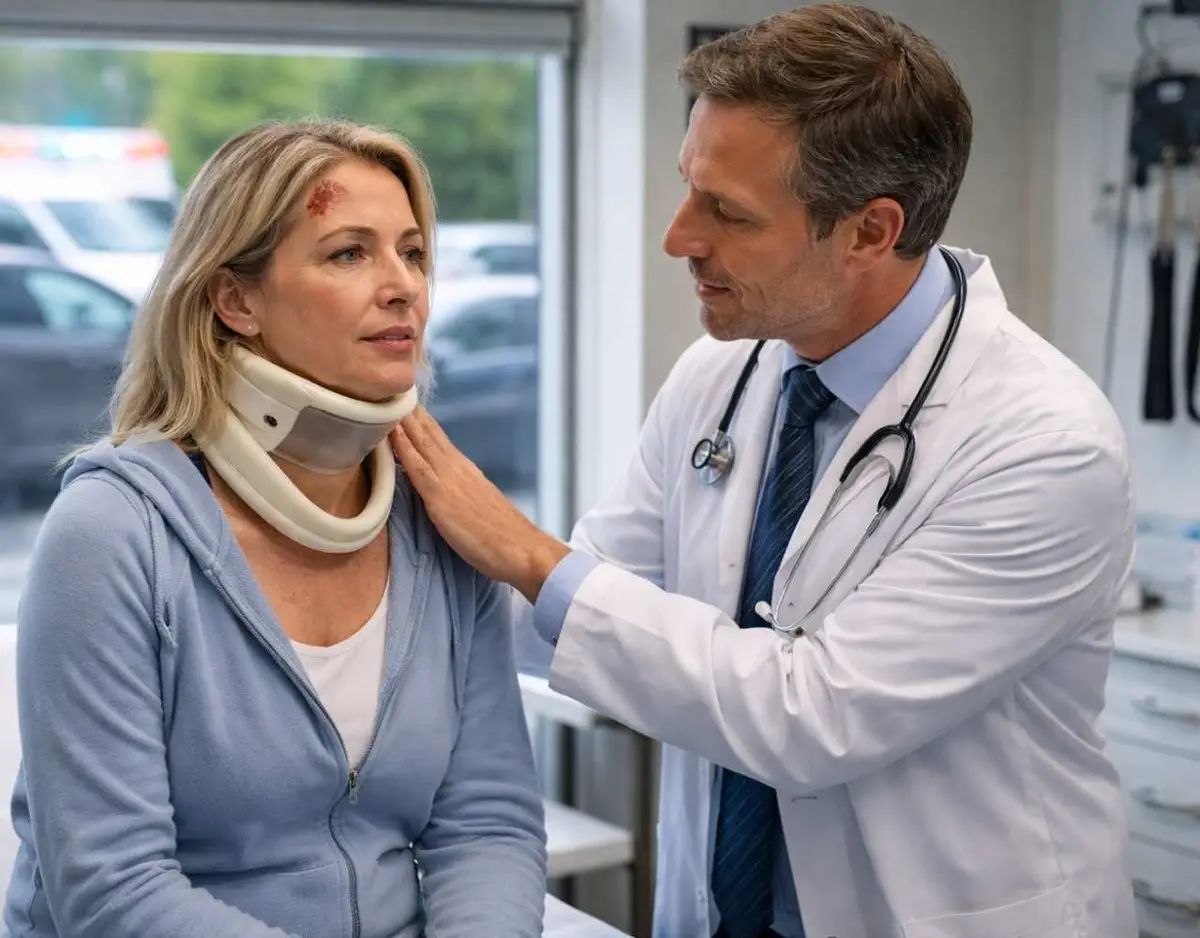
A car accident can affect nearly every part of your life. Between medical bills, missed work, back injury symptoms, and conversations with the insurance company, the days after a crash can feel overwhelming. During this time, many people turn to social media to update friends and family about what happened. An Atlanta car accident lawyer can help protect your rights and explain how even seemingly harmless online activity could impact your case.
Unfortunately, social media posts can seriously hurt a personal injury claim. Insurance adjusters, defense attorneys, private investigators, and legal teams often monitor social media accounts looking for evidence they can use against injured victims. Even innocent photos, status updates, or location tags may be taken out of context and used to challenge your injuries, pain and suffering, or right to fair compensation.
If you were injured in a car accident, do not let social media hurt your case. Contact Marks Law Group today for a free consultation and learn how we can help protect your rights and fight for the compensation you deserve.
Why Social Media Can Hurt Your Injury Claim
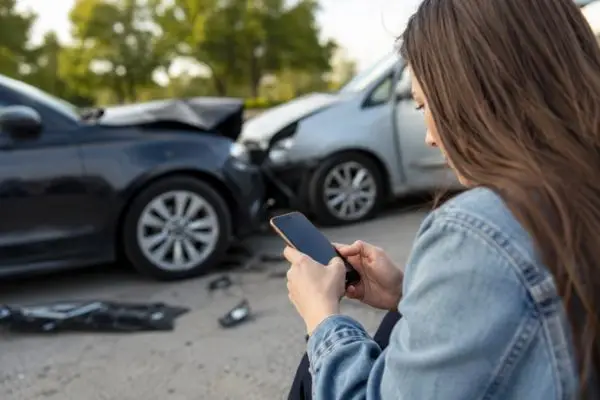
After a car accident, your personal injury claim will likely involve an official investigation. This process may include:
- Police reports
- Witness statements
- Medical records
- Photos from the accident scene
- Insurance company investigations
- Legal discovery
Today, social media profiles are often part of that investigation as well.
Insurance adjusters and defense attorneys regularly monitor social media accounts to look for evidence that may reduce the value of a claim. They may search Facebook, Instagram, TikTok, X, and other platforms for:
- Photos
- Videos
- Location tags
- Status updates
- Comments
- Friend lists
- Private posts
- Archived versions of deleted content
Even if your accounts are private, there is still a risk that information can be discovered during a personal injury lawsuit.
How Insurance Companies Use Social Media Against You
Many people think social media is personal. Unfortunately, once you file a personal injury claim, your online activity may become part of the legal process.
An insurance company is focused on protecting its bottom line. The less they pay you, the more money they save. That is why social media monitoring has become common in accident cases.
For example, imagine someone suffers back injuries after being rear-ended by a semi-truck driver in Atlanta traffic. A few days later, they post smiling photos at a family birthday party. Even if they were in pain the entire time, the defense lawyer may argue that the injuries are not serious.
Insurance adjusters may also compare your social media posts to:
- Medical bills
- Medical appointments
- Statements given to auto insurance companies
- Back injury symptoms listed in medical records
- Claims for pain and suffering
- Claims for lost income
Something as simple as a gym selfie, vacation photo, or video carrying groceries can be twisted and used against you in a court of law.
Common Social Media Mistakes After a Car Accident

Posting About the Accident
Many people want to explain what happened after a car accident. They may post pictures of the accident scene or share their frustrations online.
This can be risky.
Even saying something simple like:
- “I never saw the other car.”
- “I’m feeling okay.”
- “Maybe I should have slowed down.”
can be used against you later.
The official accident record, police report, and witness statements should speak for the case not emotional social media posts made during a stressful moment.
Sharing Photos and Videos
Photos are one of the biggest problems in Personal Injury Cases.
A picture may not show the full story. For example:
- You may smile in a family photo while still dealing with severe pain.
- You may attend a child’s school event despite your injuries.
- You may force yourself to appear normal while struggling physically.
Still, legal teams may use those images to question your injury claim.
Defense attorneys often argue that if you can attend social events, travel, or participate in activities, then your injuries must not be serious.
Accepting Unknown Friend Requests
Sometimes insurance companies or private investigators create fake profiles to gain access to private accounts.
After a car accident, you should be careful about accepting any new friend request from someone you do not know personally.
That “friendly” account could actually belong to:
- A private investigator
- An insurance company representative
- A defense attorney’s team member
Once they gain access to your social media profiles, they may collect information and screenshots to use later.
Checking In or Using Location Tags
Location tags can also create problems in an accident case.
For example, if you claim severe back injuries but your social media posting shows you checking into a concert, restaurant, or sporting event, insurance adjusters may question your condition.
Even if you only attended briefly or were in pain the entire time, the insurance company may try to use that information to reduce your compensation.
Can Deleted Posts Still Be Found?
Yes. Many people think deleting social media posts solves the problem. In reality, deleted content may still exist in:
- Screenshots
- Archived versions
- Backups
- Electronically stored information
- Shared messages
- Tagged photos from other accounts
In some situations, deleting evidence after starting a personal injury lawsuit can actually create additional legal problems.
Courts may view intentional deletion as destroying evidence. That can hurt your credibility and damage your case.
Before removing anything from your accounts, it is smart to speak with a personal injury lawyer.
What About Private Accounts?
Many people believe private accounts are fully protected. Unfortunately, privacy settings do not guarantee privacy rights during a lawsuit.
During legal discovery, courts may require certain social media information to be shared if it relates to the case.
This means:
- Private posts may become discoverable
- Photos may be reviewed
- Messages may be requested
- Online activity may become evidence
That does not mean you lose all privacy rights, but it does mean your social media accounts can become part of the legal process.
Smart Social Media Tips After an Auto Accident

At Marks Law Group, we often advise clients to become extremely cautious online after an Auto Accident. Here are some helpful steps to protect yourself.
Limit Social Media Posting
The safest approach is often to avoid posting altogether while your personal injury claim is active.
Do not post about:
- The accident
- Your injuries
- Your recovery
- Settlement discussions
- Medical appointments
- Daily activities
Even harmless status updates can be misunderstood.
Review Privacy Settings
Update the privacy settings on all your social media accounts.
While privacy settings are not perfect, they can still help reduce public access to your information.
Make sure to:
- Set accounts to private
- Limit who can view posts
- Review tagged photos
- Remove unnecessary public information
Ask Friends and Family Not to Tag You
Even if you stop posting, other people may still upload photos or videos that include you.
Ask friends and family members not to:
- Tag you in photos
- Share videos of you
- Post location tags involving you
- Discuss your accident online
These posts can still become part of your accident case.
Be Honest With Your Doctors
Your medical records are extremely important in a personal injury claim.
If your social media activity contradicts your medical records, insurance adjusters may question your honesty.
Always:
- Attend medical appointments
- Follow treatment plans
- Report symptoms accurately
- Document back injury symptoms carefully
Consistency matters in a Personal Injury Case.
Learn More: what to ask a doctor after a car accident
Why Legal Representation Matters

Insurance Issues after a car accident can quickly become overwhelming. Insurance companies have defense lawyers, adjusters, expert witnesses, and investigators working to protect their interests.
You deserve someone protecting yours.
At Marks Law Group, we help clients throughout Atlanta and Decatur, Georgia handle:
- Car accident claims
- Personal injury lawsuits
- Insurance disputes
- Lost income claims
- Pain and suffering damages
- Medical bills
- Serious back injuries
We understand how insurance companies investigate claims, including how they use social media monitoring to challenge victims.
Our team works to build strong cases using:
- Medical records
- Official accident records
- Witness statements
- Expert witnesses
- Evidence from the accident scene
We also help clients avoid common mistakes that may hurt their ability to recover fair compensation.
Learn More: What is the average settlement for a car accident?
Social Media and Serious Accident Cases
Social media becomes even more important in severe accident cases involving:
- Semi-truck drivers
- Catastrophic injuries
- Long-term medical treatment
- Permanent disabilities
- Significant lost income
For example, someone recovering from major back injuries may have good days and bad days. A single photo taken during a better moment does not reflect the full reality of daily pain and suffering.
Unfortunately, defense attorneys may still try to use isolated images to create doubt.
That is why careful social media habits matter so much during a personal injury lawsuit.
Protect Yourself After a Car Accident
After a car accident, your focus should be on healing not fighting online battles with insurance companies.
Remember:
- Insurance adjusters are watching
- Private investigators may review your social media profiles
- Deleted content may still exist
- Private posts are not always fully protected
- Small mistakes can impact your injury claim
The best thing you can do is stay cautious online and speak with an experienced personal injury lawyer as soon as possible.
At Marks Law Group, we help accident victims in Atlanta and Decatur, Georgia protect their rights and pursue the fair compensation they deserve. If you were injured in a car accident and have questions about your case, contact our team today for a free consultation.
Frequently Asked Questions
Should I stop using social media after a car accident?
In many cases, limiting or avoiding social media posting is the safest option. Even innocent posts can be taken out of context and used against you during settlement negotiations or a personal injury lawsuit.
Can private social media accounts still be investigated?
Yes. Even private accounts may become part of legal discovery if the information is relevant to the accident case. Courts can sometimes require certain posts, photos, or messages to be shared.
Can I post pictures if they are unrelated to the accident?
You should still be careful. Insurance companies and defense lawyers may try to use unrelated photos to argue that your injuries are not serious. A simple picture at a family gathering or event may be misunderstood.
What happens if I delete social media posts after a crash?
Deleting posts may not completely remove them. Screenshots, backups, archived versions, and electronically stored information may still exist. In some cases, deleting content after starting a personal injury claim can create additional legal problems.