Electric bikes are becoming increasingly popular across Georgia. From the Atlanta BeltLine to neighborhood bike lanes in Cobb County and Decatur, more children and teenagers are using electric bicycles for transportation, recreation, and commuting.
But many parents do not realize that some electric bikes can travel at speeds similar to mopeds or off-road vehicles. Under Georgia law, certain high-powered models may even require a driver’s license, license plate, Certificate of Registration, or additional compliance with Federal Motor Vehicle Safety Standards.
At Marks Law Group, our experienced Georgia personal injury attorneys regularly help injured e-bike riders and families dealing with serious e-bike crashes, medical bills, insurance adjusters, and complicated Georgia injury claims. Understanding Georgia e-bike laws can help protect your family and reduce the risk of severe accidents on Georgia roads.

Understanding Georgia E-Bike Laws
Georgia Code recognizes electric bicycles differently from motorcycles and other motorized vehicles. Most electric bikes fall into three legal categories based on speed, motor assistance, and motor wattage.
Under House Bill 397, Georgia adopted a three-tier classification system for electric bicycles.
Class 1 E-Bike
A Class 1 e-bike uses a pedal-assist motor that only provides motor assistance while the rider is pedaling.
Key features include:
- Maximum assisted speed of 20 mph
- Pedal-assisted support only
- Common on bike paths, bicycle trails, and multi-use paths
- Generally considered the safest option for younger riders
Many families choose Class 1 electric bikes because they offer manageable speeds while still providing electric motor support.
Class 2 E-Bike
A Class 2 e-bike includes both pedal assistance and a throttle feature.
Important characteristics include:
- Maximum assisted speed of 20 mph
- Can move without pedaling
- Popular among teenagers and casual riders
- Faster acceleration than traditional bicycles
Although Class 2 electric bikes are legal in many public areas, riders must still follow Georgia traffic laws, traffic signs, and traffic signals.
Class 3 E-Bike
A Class 3 e-bike can reach speeds up to 28 mph using pedal-assisted support.
Georgia law generally requires riders to be at least 15 years old to operate a Class 3 e-bike.
Because of their speed, Class 3 electric bikes create greater risks for pedestrian safety, especially on crowded bike paths and sidewalks.
Class 1 and 3 electric bicycles are often treated differently regarding access to bicycle trails and multi-use paths, depending on local ordinances.
Related: Learn more about how our Georgia motorcycle accident attorneys can assist you!
When an Electric Bike Becomes a Motor Vehicle
Not every vehicle sold online qualifies as a legal e-bike under the Georgia Code.
If an electric bike exceeds:
- 750 watts of motor wattage
- Legal speed limits for electric bicycles
- Certain gross vehicle weight standards
…it may legally qualify as a motor vehicle instead of a bicycle.
Some high-speed electric bikes resemble electric scooters, mopeds, or multipurpose off-highway vehicles rather than traditional bicycles.
These vehicles may require:
- A Georgia driver’s license
- Registration through the county tag office
- A license plate
- A Manufacturer’s Statement of Origin
- A Temporary Operating Permit
- Proof of Georgia Automobile Liability Insurance Coverage
Parents are often surprised to learn that certain electric bikes cannot legally operate on bike lanes, bicycle trails, or public roads without registration.

Georgia Traffic Laws for E-Bike Riders
Under Georgia traffic safety statutes, e-bike riders must generally obey the same traffic laws as traditional cyclists and motor vehicles.
This includes obeying:
- Traffic signals
- Traffic signs
- Right-of-way rules
- Lane direction requirements
Riders should also avoid dangerous behaviors such as:
- Riding against traffic
- Ignoring road hazards
- Speeding through pedestrian areas
- Unsafe riding on sidewalks
Areas like the Atlanta BeltLine and other crowded bike paths create additional pedestrian safety concerns because of high foot traffic.
Helmet Rules and E-Bike Safety Gear
Although helmet rules may vary depending on rider age and bike classification, all e-bike riders should wear appropriate safety gear.
Recommended safety equipment includes:
- Helmets
- Reflective clothing
- Brake lights
- Proper visibility equipment
Parents should also inspect electric bicycles regularly for:
- Faulty brakes
- Battery malfunctions
- Tire defects
- Mechanical failures involving the electric motor
Poor maintenance can increase the likelihood of serious e-bike crashes and potential product liability claims.
Learn More: Distracted driving can impact your accident liabilty
Dangerous Conditions That Cause E-Bike Accidents
Many Georgia injury claims involving electric bicycles result from more than rider error.
Common causes of accidents include:
- Road hazards
- Dangerous property conditions
- Negligence by a property owner
- Defective bike parts
- Faulty brakes
- Battery malfunctions
- Unsafe rental services
- Poorly maintained rental company equipment
In some situations, injured riders may have a valid product liability claim against a manufacturer or rental company.
Can Parents Be Liable for E-Bike Accidents in Georgia?
Yes. Under Georgia negligence law, parents can sometimes be held financially responsible if a child causes injuries while operating an electric bike irresponsibly.
Potential claims may involve:
- Negligent Supervision: A parent may face liability for allowing reckless riding behavior or failing to supervise a minor operating a high-powered electric bike.
- Negligent Entrustment: A parent may also be liable for giving a dangerous vehicle to a child who lacks the maturity or experience to operate it safely.
These lawsuits often involve:
- Serious bodily injuries
- Medical bills
- Physical therapy costs
- Property damage
- Long-term rehabilitation expenses
Insurance policies do not always cover every type of electric bike accident, especially when the vehicle exceeds Georgia’s e-bike classifications.
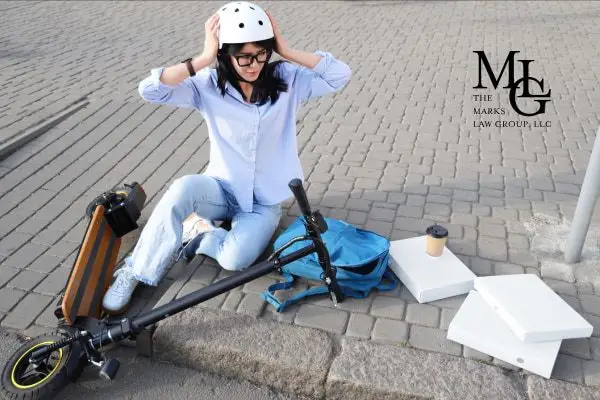
Georgia Fault and Liability Laws After an E-Bike Crash
Georgia follows modified comparative fault rules in personal injury cases.
Under Georgia Fault and Liability Laws, an injured person may recover compensation if they are less than 50% responsible for the accident.
Insurance adjusters often attempt to reduce payouts by arguing that riders failed to follow traffic laws or safety requirements.
A personal injury lawyer can help with:
- Accident reconstruction
- Damages calculation
- Reviewing insurance policies
- Negotiating with insurance adjusters
- Investigating dangerous roadway conditions
An experienced bicycle accident lawyer or accident lawyer may also investigate whether local roadway design contributed to the crash.
Georgia Statute of Limitations for E-Bike Injury Claims
Under the Georgia Statute of Limitations, injured victims generally have a limited amount of time to file a personal injury claim.
Waiting too long can prevent you from recovering compensation for:
- Medical bills
- Lost income
- Physical therapy
- Pain and suffering
- Future medical treatment
Speaking with a Georgia personal injury attorney as soon as possible can help preserve important evidence and protect your rights.
Staying Safe on Georgia Roads
Electric bikes can be a convenient and enjoyable form of transportation when used responsibly.
Parents should:
- Research e-bike laws before purchasing
- Understand Class 1, Class 2, and Class 3 requirements
- Teach children proper traffic safety habits
- Avoid unsafe riding on crowded bike paths
- Require helmets and reflective clothing
- Monitor riding behavior on Georgia roads
Even experienced e-bike riders should remain cautious around traffic, pedestrians, and intersections.

Injured in an E-Bike Accident? Contact Marks Law Group
If you or a loved one was injured in an e-bike crash anywhere in Georgia, the experienced legal team at Marks Law Group can help.
Our personal injury attorneys understand Georgia law involving electric bicycles, negligence claims, insurance policies, and serious accident injuries.
Whether your case involves defective equipment, dangerous road conditions, or another negligent driver, our Georgia personal injury lawyers can help you pursue compensation for your injuries and financial losses.
Contact Marks Law Group today at (678) 500-8766 for a free consultation with an experienced bicycle accident lawyer or personal injury attorney.