A brain injury doesn’t just interrupt a life; it can rewrite it. One moment, everything is familiar, and the next, a fall, crash, or sudden impact to the head leaves you or someone you love struggling with confusion, headaches, memory problems, and the fear that life may never feel the same again. Families often describe these injuries as emotional upheavals, not just medical emergencies. They disrupt routines, drain savings, and force everyone to adjust to a reality they never expected.
When a brain injury results from another’s negligence, it adds stress. Amidst recovery, you’re also dealing with financial worries. A personal injury lawyer in Decatur, GA can help. They guide you through legal processes, insurance matters, and compensation. Marks Law Group offers compassionate legal support, helping families find stability and rebuild.
Why Brain Injuries Are So Life-Changing
Any injury to the brain is serious because it affects the way a person thinks, moves, remembers, and feels. The Centers for Disease Control and Prevention reports that traumatic brain injury (TBI) is a leading cause of disability in the United States. Even a small area of damaged brain tissue or disrupted brain cells can change how a person functions day to day.
Some injuries are mild and heal with rest. Others, such as penetrating brain injuries, subdural hematomas, brain bleeds, diffuse axonal injuries, or anoxic brain injuries, can be life-threatening and require urgent medical care. Medical teams may look at loss of consciousness, the Glasgow Coma Scale, or imaging results to understand severity.
The aftermath is often overwhelming. Headaches, dizziness, difficulty concentrating, emotional changes, personality shifts, anxiety, and memory gaps can appear suddenly or develop over time. These challenges create stress and uncertainty long before the first round of medical bills even arrives.

Common Causes of Brain Injuries in Decatur
Most people never imagine they or a family member will suffer a brain injury. Unfortunately, these incidents happen in Decatur more often than expected. Common causes include:
- Car accidents, motorcycle accidents, bicycle accidents, and other motor vehicle collisions
- Slip and fall hazards on unsafe or poorly maintained property
- Construction accidents involving falling objects or heavy equipment
- Sports injuries, especially in high-impact or contact activities
- Boating and recreational accidents
- Defective products that fail and cause sudden blunt-force trauma
A single act of negligence, a distracted driver, a loose handrail, a malfunctioning product, can cause life-changing harm. Understanding your rights is essential.
Recognizing Brain Injury Symptoms
Brain injuries aren’t always obvious right away. Some people initially feel “shaken up,” only to realize days later that something is wrong. Traumatic brain injury symptoms may include:
- Persistent headaches or nausea
- Memory problems
- Trouble focusing
- Mood swings or irritability
- Sensitivity to light or noise
- Balance or coordination problems
- Sleep disturbances
- Confusion or disorientation
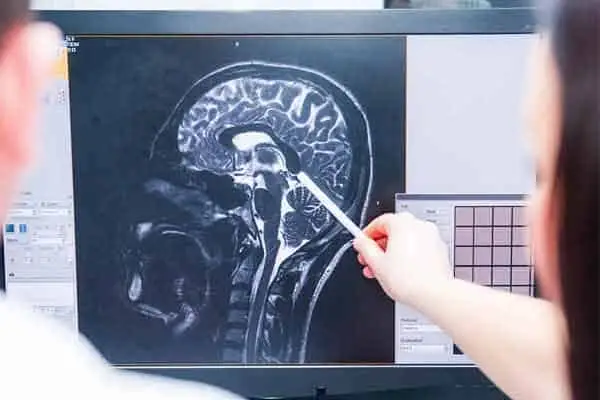
More severe cases may involve seizures, prolonged loss of consciousness, or noticeable changes in personality or behavior. Doctors often use neurological exams, imaging, and cognitive testing to evaluate brain function.
The need for treatment doesn’t end after the ER visit. Many individuals require therapy, rehabilitation, and long-term follow-up care, leading to significant medical expenses, especially when the injured person cannot return to work.
How a Decatur Brain Injury Lawyer Supports You
Recovering from a brain injury is physically and emotionally exhausting. Insurance paperwork, deadlines, and complex legal procedures only add to the burden. This is where an experienced Decatur brain injury lawyer steps in.
Once involved, your attorney takes over communication with the insurance company and begins building your case. This process includes collecting medical records, reviewing evidence, analyzing police reports, and speaking with treating physicians. When needed, your lawyer may also work with accident reconstructionists, TBI specialists, and other experts to explain how the injury occurred.
A strong legal team can help with:
- Managing all communication with the insurance company
- Evaluating medical costs, lifetime care needs, lost wages, and property damage
- Reviewing the insurance case manager’s findings
- Filing a lawsuit when a fair settlement isn’t offered
- Ensuring compliance with Georgia’s statute of limitations
These cases involve complex legal details, and having a dedicated lawyer allows you to focus on healing.
What Your Brain Injury Case May Be Worth
Every brain injury case is unique, but these injuries often have long-term effects that require comprehensive compensation. A fair settlement should account for both immediate and future needs, including:
- Emergency care, hospitalization, and rehabilitation
- Future medical treatment or lifetime care
- Lost wages
- Reduced earning capacity
- Pain and emotional suffering
- Special damages for documented financial losses
- Punitive damages in cases of extreme negligence
- Long-term therapy, in-home care, or home modifications
In severe cases, survivors may need care for many years or for life. Attorneys often work with TBI experts, economists, and medical specialists to calculate long-term needs accurately.
Learn More: Seeking Compensation For A Brain Injury
How Brain Injuries Affect Work, Family, and Daily Life
Brain injuries affect far more than health; they alter routines, responsibilities, relationships, and employment. Many individuals cannot return to their previous jobs. Others struggle with concentration, fatigue, or mood changes that make daily activities more difficult.
Families often become caregivers overnight, juggling work schedules, appointments, financial strain, and an uncertain recovery timeline. A compassionate attorney understands this full impact and works to ensure your claim reflects real-world challenges, not just medical expenses.
Learn More: Compensation for Mental and Emotional Trauma
Why Acting Quickly Matters
Georgia law imposes strict deadlines on injury claims, and missing these deadlines can permanently block your right to pursue compensation. Evidence also fades over time, memories become less reliable, and important documents may be lost.
Even if you’re uncertain about the severity of your symptoms or how recovery will unfold, speaking with a lawyer early protects your rights and prevents costly mistakes. You deserve honest guidance, not pressure from an insurance adjuster pushing you to settle quickly.

Speak With a Decatur Brain Injury Lawyer at Marks Law Group
If you or someone you love has suffered brain trauma, brain damage, or another serious head injury from car and truck accidents, slip and fall incidents, construction accidents, sports injuries, boating accidents, or defective products, you shouldn’t have to face the next steps alone. Recovery is hard enough without navigating legal challenges on your own.
Marks Law Group offers a free consultation so you can ask questions, understand your options, and get the support you need. A dedicated attorney will listen to your story, explain the process, and handle the legal work so you can focus on healing and rebuilding your life.
You don’t have to navigate this journey alone. Support is available, and with the right help, you can move toward stability and justice.
Call Marks Law Group today at (678) 251-9309.
Frequently Asked Questions
What is a traumatic brain injury (TBI)?
A traumatic brain injury occurs when a sudden jolt or blow disrupts normal brain function. TBIs can range from mild concussions to severe injuries like diffuse axonal injuries, subdural hematomas, or penetrating brain injuries. Symptoms may appear immediately or gradually, including headaches, memory issues, mood changes, or altered consciousness. Prompt medical evaluation is essential.
Why should I hire a TBI attorney?
TBI cases involve complex medical issues and long-term effects, making experienced legal guidance essential. A skilled attorney gathers medical evidence, consults with specialists, manages insurance communication, and documents how the injury impacts your life. This support allows you to focus on healing while your lawyer works to protect your rights.
How long do I have to file my lawsuit?
Georgia generally gives injured individuals two years from the date of the accident to file a lawsuit. Missing this deadline can bar compensation. Reaching out to a lawyer early helps preserve evidence and important documentation.
How can I prove my traumatic brain injury damages?
Proving TBI damages requires showing both your medical history and how the injury affects daily life. Attorneys use medical records, imaging, expert evaluations, and doctor statements to demonstrate the severity of the harm. Employment records and expert analysis help outline long-term medical and financial impacts.

Aaron P. Marks is a nationally recognized personal injury attorney with over 15 years of experience helping clients in Georgia. As the founder of Marks Law Group, he focuses on catastrophic injury cases, trucking accidents, and non-emergency medical transport accidents. Born in Albuquerque and educated in philosophy and law, Aaron has built his practice on a deep commitment to truth, justice and service.
Attorney-Approved Content: A collaboration between AI, legal editors, and experienced attorneys, delivering accurate, human-verified content.